
SILICONE GUN
A silicone gun, also widely known as a caulking gun or sealant gun, is an indispensable tool for applying silicone sealant (or other sealants like acrylic, polyurethane, or adhesive) from a cartridge. For uPVC window and door installations, it’s essential for achieving a clean, consistent, and effective seal.
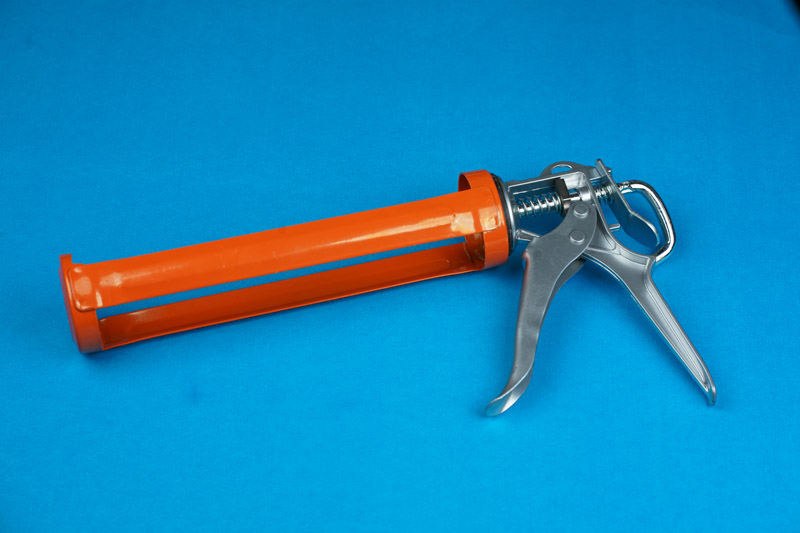
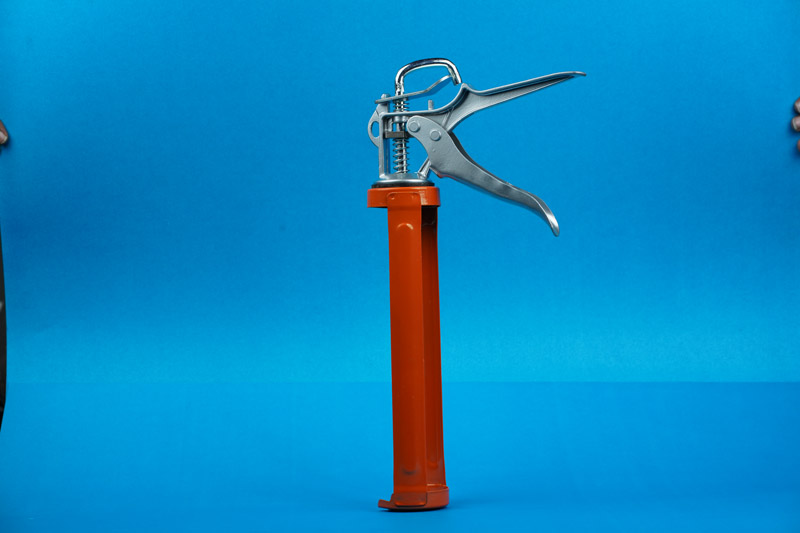
Silicone Gun Works:
The gun consists of a frame that holds the sealant cartridge and a trigger mechanism. When you squeeze the trigger, a rod pushes a plunger inside the cartridge, forcing the sealant out of the nozzle in a controlled bead.
Types of Silicone Guns:
There are several types of silicone guns, ranging in price and functionality:
-
Skeleton Guns (Manual/Hand-operated):
-
Description: This is the most common and affordable type. It has a basic “skeleton” frame. You manually squeeze the trigger to push the plunger.
-
Pros: Inexpensive, lightweight, easy to use for occasional DIY tasks.
-
Cons: Can cause hand fatigue during prolonged use, less precise control over flow compared to more advanced types.
-
Common Use: Perfect for small home repairs, a few windows, or general DIY projects.
-
-
Closed Barrel Guns (Manual):
-
Description: The cartridge is fully enclosed within a metal or plastic barrel.
-
Pros: More durable, often provides smoother action and better control than skeleton guns. Less mess.
-
Cons: Heavier than skeleton guns, generally more expensive.
-
Common Use: Professional use where durability and consistent application are needed for multiple projects.
-
-
Dripless Guns (Manual):
-
Description: Many manual guns (both skeleton and closed barrel) now incorporate a “dripless” feature. When you release the trigger, a mechanism automatically retracts the plunger slightly, relieving pressure and preventing sealant from oozing out.
-
Pros: Reduces waste, mess, and cleanup time.
-
Cons: Slightly more expensive than basic models without this feature.
-
Common Use: Highly recommended for anyone who wants a cleaner application.
-
-
Power/Battery-Operated (Cordless) Guns:
-
Description: These guns use a motor and battery to push the plunger, eliminating manual effort. They often have variable speed control.
-
Pros: Effortless application, highly consistent bead, reduced fatigue, ideal for large projects.
-
Cons: Much more expensive, heavier, requires battery charging.
-
Common Use: Professional installers, large construction sites, or anyone who frequently applies a lot of sealant.
-
-
Pneumatic Guns:
-
Description: Air-powered guns connected to an air compressor.
-
Pros: Extremely powerful and consistent, high volume application.
-
Cons: Requires an air compressor, typically for industrial or very large-scale professional use.
-
Which Silicone Gun for uPVC?
For most homeowners or small-scale uPVC installation/repair tasks, a manual skeleton gun (preferably with a dripless feature) is perfectly adequate and cost-effective. If you’re a professional installer or have a very large project, investing in a heavy-duty manual gun or even a battery-operated one might be worthwhile.

Vasista Hardware is a top supplier of uPVC hardware in Hyderabad, India, providing a wide variety of uPVC hardware for windows and doors.
HYDERABAD OFFICE
- 8499022228 / 9010422239 / 9134555999
- sales.svhupvc@gmail.com
- SY NOS 53&54, PLOT NO.132, D.NO 5-67/10, Bahadurpally, Hyderabad, Telangana 500043
VIJAYAWADA OFFICE
- 8096922116 / 9849797717
- vasista.vijayawada@gmail.com
- 15-65,Prabhu Nagar,Poranki,Penamaluru, Vijayawada, Andhra Pradesh 521137