
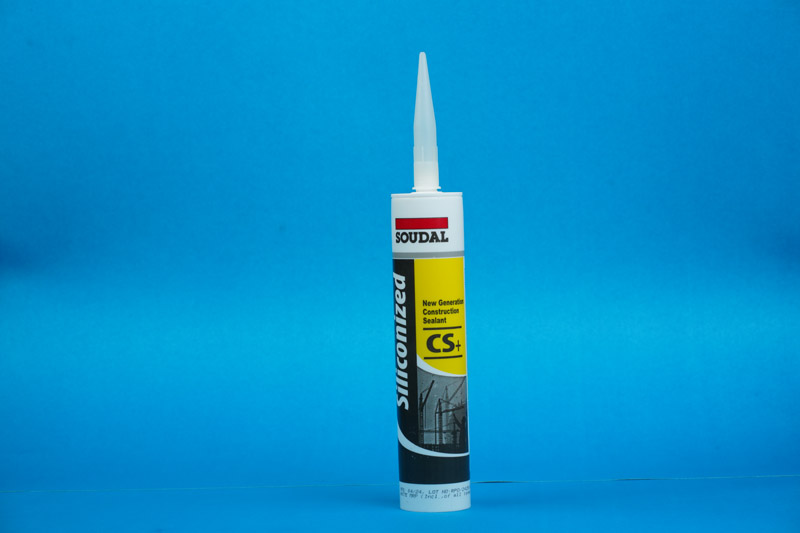
SOUDAL (MCOY CS+ ) SILICON
Silicone sealant is a flexible, adhesive material that cures (dries) into a rubber-like substance. It’s applied as a bead from a cartridge using a caulking gun. For uPVC applications, specific types of silicone are crucial.
Key Purposes of Silicone Sealant in uPVC Applications:
Weatherproofing & Sealing:
Perimeter Sealing: Used to seal the gap between the uPVC window/door frame and the surrounding wall opening (both inside and outside). This prevents water ingress, drafts, and dust.
Glazing: Sometimes used as a secondary seal around the glass unit within the uPVC frame, especially where primary glazing gaskets are not sufficient or for specific glass types.
Gap Filling: Fills small cracks and gaps that might occur during installation or over time, maintaining the integrity of the seal.
Aesthetics: Provides a neat, clean finish around the installed window or door, covering any irregularities in the wall opening or frame.
Flexibility and Movement: Unlike rigid materials, silicone remains flexible after curing. This is vital because buildings and window frames can experience slight movements due to temperature changes or structural shifts. The silicone can accommodate this movement without cracking or losing its seal.
Types of Silicone Sealant for uPVC:
It’s crucial to use the correct type of silicone for uPVC, as some acidic cure silicones can react with uPVC (causing discoloration or degradation).
The main types relevant to uPVC are:
Neutral Cure Silicone (Highly Recommended for uPVC):
Characteristic: These silicones release non-acidic byproducts (like alcohol or amines) during curing, making them non-corrosive and non-staining.
Adhesion: They offer excellent adhesion to a wide range of building materials, including uPVC, glass, concrete, brick, metals (aluminum, steel), and wood.
Weathering: Superb resistance to UV radiation, extreme temperatures, rain, and ozone. They maintain their flexibility and color for many years, making them ideal for exterior applications.
Applications: Perfect for perimeter sealing of uPVC windows and doors, glazing, and general construction joints.
General Purpose (GP) Silicone / Acetoxy (Acid Cure) Silicone (Use with Caution on uPVC):
Characteristic: These silicones release acetic acid (vinegar smell) during curing. They are typically cheaper.
Adhesion: Good adhesion to glass, ceramics, and some non-porous surfaces.
Caution with uPVC: Can sometimes react with uPVC (especially cheaper grades or specific plasticizers in the uPVC), leading to discoloration (yellowing) or even degradation over time. They are generally NOT recommended for direct contact with uPVC or metals that might corrode (e.g., untreated mild steel). They are more suitable for bathroom/kitchen applications on tiles and glass.
Weatherproofing Sealants: These are typically neutral cure silicones specifically formulated for exterior building joints, offering superior long-term weather resistance and movement capability. They are often the best choice for the exterior sealing of uPVC frames.

Vasista Hardware is a top supplier of uPVC hardware in Hyderabad, India, providing a wide variety of uPVC hardware for windows and doors.
HYDERABAD OFFICE
- 8499022228 / 9010422239 / 9134555999
- sales.svhupvc@gmail.com
- SY NOS 53&54, PLOT NO.132, D.NO 5-67/10, Bahadurpally, Hyderabad, Telangana 500043
VIJAYAWADA OFFICE
- 8096922116 / 9849797717
- vasista.vijayawada@gmail.com
- 15-65,Prabhu Nagar,Poranki,Penamaluru, Vijayawada, Andhra Pradesh 521137