
Casement Window Keep
It’s the fixed component on the window frame that the moving locking bolts (or “cams,” “mushrooms,” “rollers,” “hooks,” etc.) from the window sash (the part that opens) engage with when the window is closed and locked.
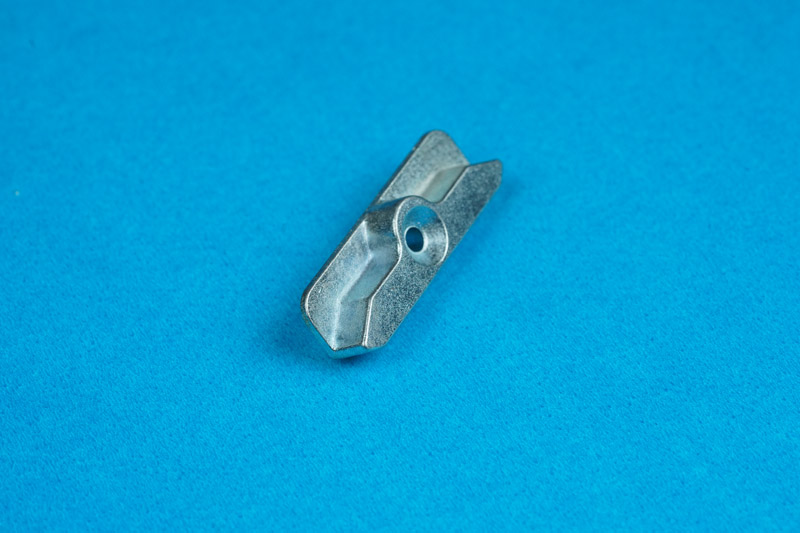
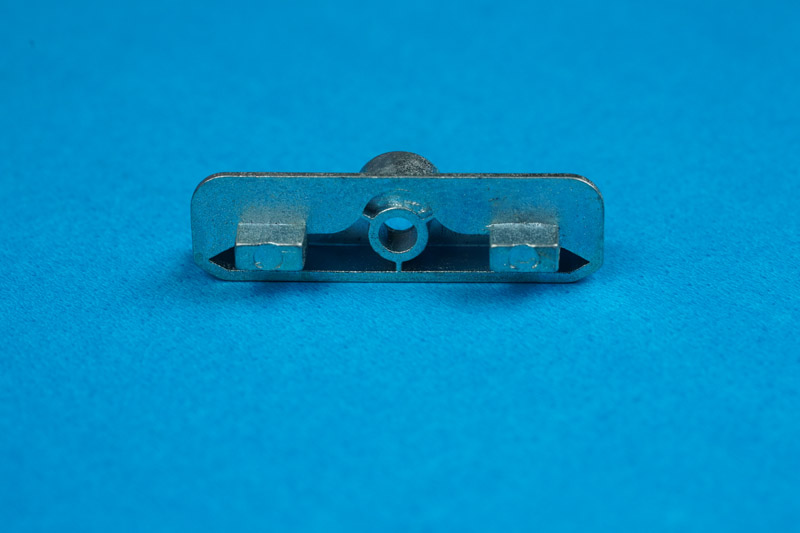
The functions of a window keep are very similar to a door keep:
Security: This is its primary role. It provides the secure anchor points for the multi-point locking system on the window sash. When you turn the window handle to the closed/locked position, the various bolts extending from the espagnolette (espag) bar within the sash extend into these keeps, securely locking the window at multiple points around its perimeter. This makes it much harder to force open the window.
Weather Sealing: Keeps ensure that the window sash is pulled tightly against the frame when closed. This compression creates an effective seal, preventing drafts, water ingress, and dust from entering your home. This contributes significantly to the window’s thermal and acoustic insulation properties.
Smooth Operation: Correctly aligned and functioning keeps allow the window to close and lock smoothly without excessive force or sticking.
Compression: They help maintain the necessary compression on the weather seals (gaskets) around the window, which is vital for energy efficiency.
Night Vent Position (Optional): Some keeps, particularly for side-hung casement windows, may have a secondary slot that allows the window to be securely held slightly ajar for trickle ventilation, known as a “night vent” position. This allows for airflow while maintaining a level of security.
Types of uPVC Casement Window Keeps:
The type of keep depends on the specific locking mechanism used in the window. Common types include:
Mushroom Keeps: These are designed to receive mushroom-shaped cams from the espag lock, providing a strong interlocking action and good security.
Roller Cam Keeps: Designed for roller cams, they provide a smoother closing action and good compression on the seals.
Hook Bolt Keeps: Less common on windows than doors, but some high-security window locks might incorporate small hook bolts that engage with specific keeps.
Deadbolt/Latch Keeps: For the main latch or deadbolt on the window handle if it has one.
Adjustable Keeps: Many modern keeps are adjustable, meaning you can slightly move them inwards or outwards to fine-tune the compression of the window sash against the frame, helping to eliminate drafts or ensure a tighter seal. This adjustment is usually done with an Allen key or a screwdriver.
Identifying and Replacing a uPVC Casement Window Keep:
If you need to replace a window keep, it’s crucial to identify the correct type:
Examine the existing keep: Look closely at its shape, the number and position of screw holes, and the type of bolt it’s designed to receive from the window sash (e.g., mushroom, roller).
Identify the lock type: Observe the mechanism on the window sash (the espag bar) when the window is open and unlocked. The shape of the locking cams/bolts will dictate the type of keep needed.
Measure: Measure the dimensions of the keep, especially the distance between screw holes, and any other relevant dimensions.
Check for brand markings: Sometimes, the keeps or the main espag lock mechanism will have a brand name (e.g., Yale, Mila, Maco, etc.) or a part number stamped on them. This can be very helpful for sourcing a replacement.
Consult a professional: uPVC window hardware can be very specific. If you’re unsure, it’s always best to consult with a uPVC window repair specialist or a hardware supplier who deals with uPVC systems. They can help you identify the correct part and ensure proper installation for optimal security and performance.

Vasista Hardware is a top supplier of uPVC hardware in Hyderabad, India, providing a wide variety of uPVC hardware for windows and doors.
HYDERABAD OFFICE
- 8499022228 / 9010422239 / 9134555999
- sales.svhupvc@gmail.com
- SY NOS 53&54, PLOT NO.132, D.NO 5-67/10, Bahadurpally, Hyderabad, Telangana 500043
VIJAYAWADA OFFICE
- 8096922116 / 9849797717
- vasista.vijayawada@gmail.com
- 15-65,Prabhu Nagar,Poranki,Penamaluru, Vijayawada, Andhra Pradesh 521137